
Full-time 4WD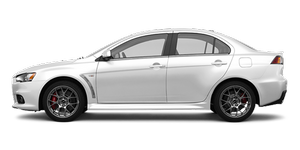
Full-time 4WD vehicles are propelled by engine power distributed constantly and appropriately to all 4 wheels.
Not only does this ensure better handling on dry, paved roads but also permits better traction when driving on slippery, wet or snow-covered roads and when moving out of mud.
These vehicles, however, are not designed for offroad use, and are unsuitable for driving on bumpy ground that may cause excessive strain. Fulltime 4WD vehicles should be driven only under the same conditions as are suitable for ordinary frontwheel drive vehicles.
See also:
Cargo loads
Cargo loads precautions
CAUTION
• Do not load cargo or luggage higher than the top of the seatback. Be sure
that your cargo or luggage cannot move once your vehicle is moving. Having the driver ...
Welcome light (for vehicles equipped with the keyless entry system or the keyless
operation system)
Except for vehicles for Russia, Kazakhstan and Ukraine, this function turns on
the position and tail lamps for about 30 seconds after the UNLOCK switch (A) on
the remote control transmitter is pre ...
Steering wheel audio remote control switches
The remote control switch is located on the left side of the steering wheel.
It can be used when the ignition switch is in the “ON” or “ACC” positions.
1- Volume up button
2- Volume down ...