
Full-time 4WD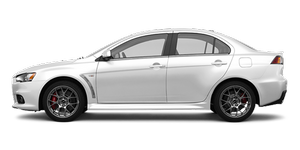
Full-time 4WD vehicles are propelled by engine power distributed constantly and appropriately to all 4 wheels.
Not only does this ensure better handling on dry, paved roads but also permits better traction when driving on slippery, wet or snow-covered roads and when moving out of mud.
These vehicles, however, are not designed for offroad use, and are unsuitable for driving on bumpy ground that may cause excessive strain. Fulltime 4WD vehicles should be driven only under the same conditions as are suitable for ordinary frontwheel drive vehicles.
See also:
Petrol-powered vehicles
1600 models
AS&G: Auto Stop & Go (AS&G) system
Note
► The values shown above apply to a vehicle on which optional equipment has not
been fitted.
► The results given do ...
Damaged paint
Small cracks and scratches in the paint coat should be touched up as soon as
possible with MITSUBISHI touch-up paint to prevent corrosion.
Check body areas facing the road or the tyres carefully fo ...
Weights (Hatchback)
Sedan
Hatchback
...